Lean and all its versions and business systems sometimes feel like a religion, a dogma. Some lean fanatics (guilty myself) can’t stop talking about it and will say it’s the only way to be successful. Some can’t stop talking about and will dismiss any other option.
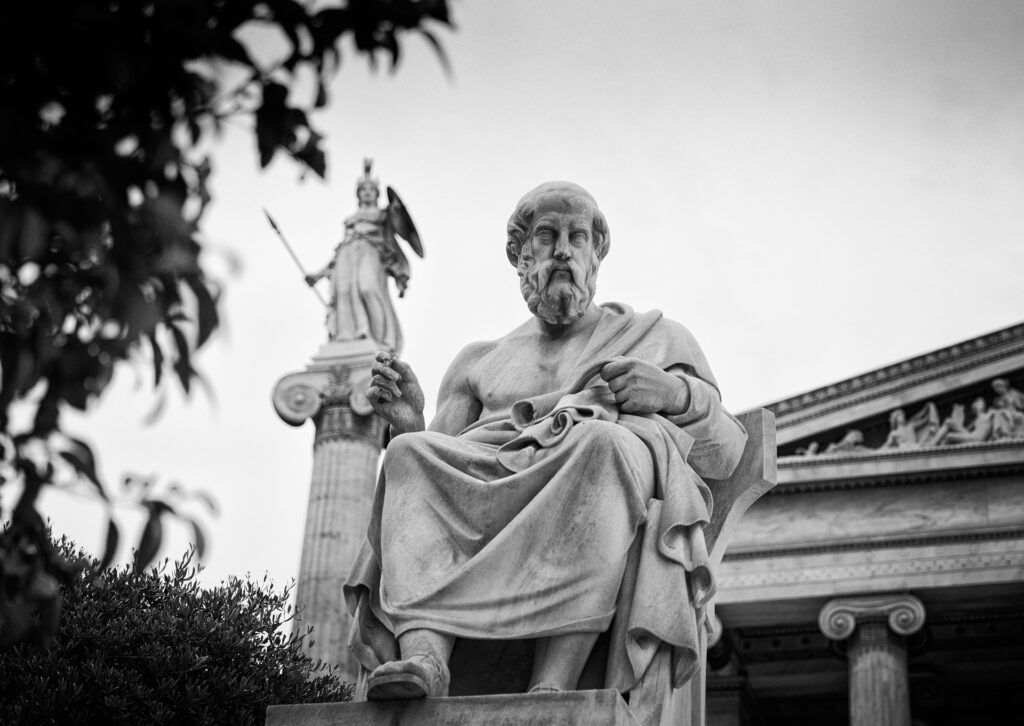
Lean is more a philosophy than a religion
I once had a colleague, I’d consider him a mentor, who always said:
Lean is just common sense, but then rigorously applied
There are two statements in here, let’s break them down:
Lean is just common sense
The idea behind Lean is to find a simple, fast and cheap way to serve your customers. If you serve them well, they will reward you with their business. That’s quite simple logic, right? That is why Voice-Of-Customer and Genba are such critical concepts. It starts with what the customer wants/needs. Once we know what’s needed, let’s deliver it as fast and cheap as possible in an easy way. This is where zooming out in Value Stream Map (VSM) or zooming in with Transactional Process Improvement (TPI) comes in. Optimise the way you do things based on what the customer needs. Not based on what’s fancy, not based on what new technologies are out there and not based on what competition is doing. Listen to your customers.
It needs to be rigorously applied
And this is what sets apart the good from the great companies (Jim Collins talks about the culture of discipline). Once you know what needs to be done, do it. When I’m at companies for whom this is all very new, I always talk about the cultural aspect of ‘Say-Do ratio’. This is an important cultural rule you will want to build in your company both for your teams and for your customers. If you say you’ll do something, do it. If you make an action plan, follow up. If you’re implementing a countermeasure do it and follow-up. If you want to sustain the improvements, implement and sustain.
This builds a culture of reliability. A culture when teams, colleagues and customers can depend on you as a whole and you as an individual. You want to have a bias for action and just do what needs to be done.
A philosopy of action
So, Lean is not a religion, it doesn’t dictate on what needs to be done when. It’s more a philosophical handbook that tells you to think. It asks you to make sure you build customer understanding and motivates you to do the boring hard work of just showing up everyday for your customer.
Does that make us a philosopher?